



Sir Motors


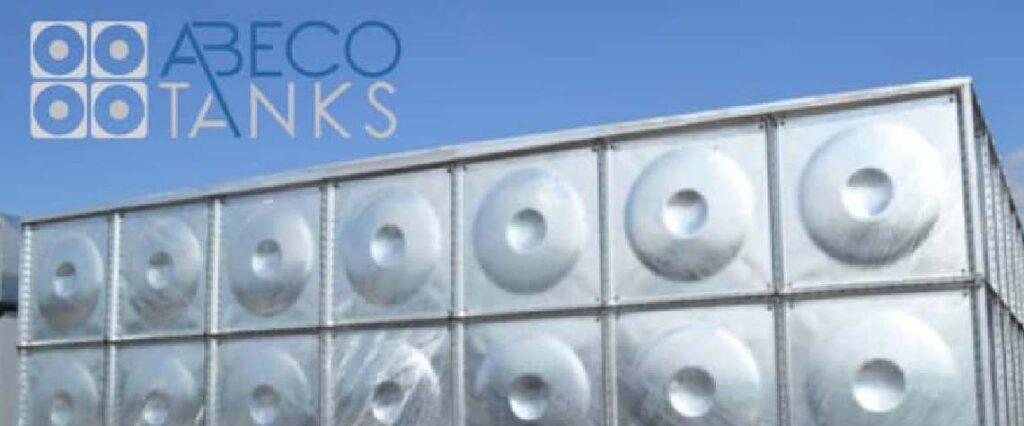
Water security across Southern African has become a daily priority. Communities face longer dry spells and unpredictable rainfall while farms, and businesses and households all need reliable storage solutions that can stand up to the region’s demanding conditions.
Steel water storage tanks offer versatility and long-term value that many alternatives struggle to match, especially when water becomes the lifeblood of both urban and rural life.
Steel tanks thrive in environments where extreme weather can turn softer materials brittle or unreliable. Their rigid structure holds steady through seasonal heatwaves, cold snaps and high winds while resisting the warping that often affects plastic tanks.

Galvanised steel also stands up well to corrosion, giving the tank a long service life even in coastal areas where salt in the air can slowly eat through lesser materials. This durability matters in a region where infrastructure must keep performing year after year, regardless of what the climate delivers.
A steel tank’s lifespan often stretches far beyond that of cheaper options. While the initial price may sit a little higher, the long-term savings speak for themselves. Steel requires minimal upkeep while offering stable storage capacity for decades, not just seasons.
Many farmers and businesses rely on this predictability because it means fewer interruptions and less money poured into repairs or replacements. When water security shapes livelihood and revenue, a steel tanks that keeps delivering without fuss are worth their weight.
Steel tanks are also remarkably adaptable. They can be engineered in a wide range of dimensions, from compact units for household use to massive reservoir-style tanks used by municipalities or large agricultural operations.
Custom fittings, internal liners and roof options allow each installation to serve its purpose with precision. This flexibility makes steel a strong contender in Southern Africa’s diverse environments where different regions may have completely different needs.
In areas prone to veld fires, a steel tank offers peace of mind. It holds shape under high heat and doesn’t melt or collapse the way plastic tanks can. This fire resistance means that emergency water remains available when it’s needed most.
Steel also handles impact well, which helps in rural settings where wildlife, machinery or even rolling stones can collide with exposed tanks.
Steel tanks lined with food-grade materials protect water quality while keeping it cool. The opaque walls block sunlight, which slows algae growth along with microbial activity.
For households relying on borehole water, or farms irrigating high-value crops, water quality shapes everything from health to yield. A steel tank safeguards that purity.
Southern Africa’s water challenges aren’t easing soon, which makes resilient infrastructure essential. Steel water storage tanks offer the reliability and structural confidence that households, farms and businesses need while supporting sustainable planning in an uncertain climate.
In short, they anchor security in a region where every drop counts.
 JUGA’S WATER é a “indústria” de água mineral suspensa pela INAE, mas… continua a operar
 Governo e Operation Water assinam parceria histórica para fornecimento de água limpa
 Chegou a Hora de Colher os Benefícios Financeiros da Água e Saneamento
 KARMOL continues supporting fishing communities in Nacala – Porto and Nacala-a-Velha
Sede: Av Ngugunhane, Nº 155 - MATOLA - MOÇAMBIQUE
Telefone: 00 258 82 9811780
WhatsApp: 00 258 82 9811780
Email: [email protected]
Caixa postal : 704
Número de Registo de Entidades Legais: 21571/11/01/PS/2018
Número de contribuinte fiscal: 400912319
Número de registo de título: Reg:06/Gabinfo-DEPC
Director: Marcelo Mosse / Jornalistas: Abílio Maolela (Coordenador), Evaristo Chilingue e Marta Afonso / Colunistas: Mia Couto, Alexandre Chaúque, Nando Menete e
Moisés Mabunda
Criação e implementação: DotCom